
Only 15% of IPMAT shortlisters finally make it to IIMs. Yes, you read that right. An impressive IPMAT entrance exam score is merely your entry ticket. The real test, your ultimate gateway to IIM Indore or IIM Rohtak, lies in mastering the Written Ability Test (WAT) and Personal Interview (PI) rounds. These stages are designed to assess your personality, communication skills, and leadership potential, qualities an IIMer absolutely needs.
TL;DR: Your IPMAT Interview Roadmap
Cracking the IPMAT interview goes beyond academics. This guide, based on an IIM Alumnus's insights, breaks down the WAT and PI process. Focus on current affairs for WAT, master common PI question types (academics, personal, future goals), and refine your body language. Consistent practice with mock interviews and self-analysis is key. Remember, your story matters.
The ipmat interview: more than just talking
The Integrated Programme in Management (IPM) at IIMs like Indore and Rohtak is highly sought after. Getting a good score in IPMAT is a huge achievement, but it is only half the battle. The WAT and PI rounds carry significant weight. They are where the admissions committee truly gets to know the future IIMer behind the scores.
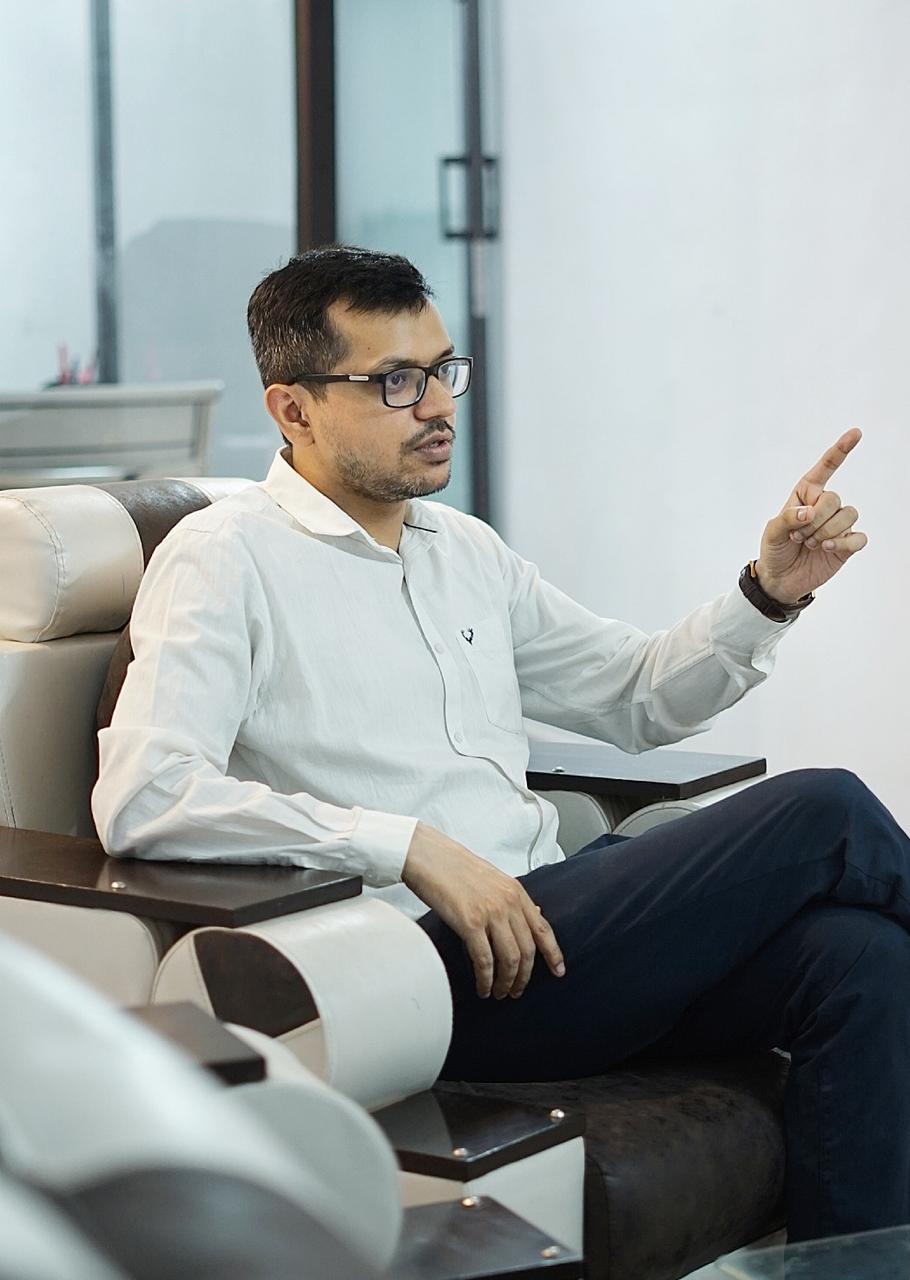
This is your chance to show your communication skills, critical thinking, and how you handle pressure. We recently had an IIM alumnus simulate a real IPMAT interview, offering invaluable insights. Their advice can guide your preparation for IPMAT 2026.
Decoding common wat topics
The Written Ability Test (WAT) assesses your ability to think critically, structure arguments, and articulate your thoughts clearly under time pressure. You will be given a topic and asked to write an essay or a short piece. The topics generally fall into a few categories:
- Current Affairs: This can include national policies, international relations, economic trends, or social movements. For example, you might get a topic on "India's role in global politics" or "the impact of recent economic reforms."
- Social Issues: Questions on societal challenges like gender equality, the education system, environmental concerns, or public health are common. You could be asked to write on "addressing urban-rural divide" or "the future of work in India."
- Abstract Topics: These require creative thinking and the ability to interpret a broad concept. Think along the lines of "Is change good?" or "The colour of success." They test your perspective and originality.
- Business & Economy: Topics related to industry trends, technological advancements, startup culture, or ethical business practices are also frequent. An example might be "the impact of AI on job markets" or "the rise of e-commerce in India."
To excel in WAT, practice structuring your arguments logically. Start with an introduction, present multiple viewpoints with supporting examples, and conclude with a strong summary or recommendation. Clarity and conciseness are key.
| WAT Topic Category | Focus Area | Example Topic |
|---|---|---|
| Current Affairs | National/International events, politics, economy | India's G20 presidency: success or challenge? |
| Social Issues | Societal problems, culture, ethics | The role of youth in nation-building. |
| Abstract Topics | Philosophical concepts, creative interpretation | Is happiness a choice or a circumstance? |
| Business & Economy | Industry trends, technology, market dynamics | The future of digital payments in India. |
Your interview is not just a Q&A session. It is an opportunity to narrate your unique journey and demonstrate why you belong at an IIM.
Navigating pi question patterns
The Personal Interview (PI) is your moment to shine. Interviewers want to understand your personality, motivations, and suitability for a rigorous management program. Questions often follow predictable patterns, allowing you to prepare thoroughly.
1. Personal Background: This is usually the starting point. Be ready to "Tell me about yourself" comprehensively. The IIM alumnus in our simulation asked the aspirant about their family. The aspirant shared, "I live in a family of four. My father Mr. Vikash Nigum is a real estate agent. My mother Mrs. Paringum is a housemaker and my brother Paringham is currently pursuing B.Tech from BITS Pilani." They also discussed their move from Hamirpur to Kanpur in 9th grade "for better education opportunities." This show your journey and decision-making.
2. Academic Prowess: Interviewers will probe your academic history. If you are a commerce student with mathematics, expect questions about your comfort level with the subject. One aspirant admitted, "Sir, right now I am like not comfortable with maths but I can still try to answer your questions." They explained, "I am not particularly studied a lot about maths. I was busy with other subjects like accounts and economics." This honesty, followed by a willingness to try, is often appreciated. Be prepared for foundational questions, even like "What is the value of factorial zero?"
3. Extracurriculars and Leadership: Your involvement beyond academics shows your soft skills. The aspirant in our simulation mentioned being "part of student council where I have been prefect for 2 years and vice house captain for one year." This demonstrates leadership, responsibility, and teamwork. Be ready to elaborate on your roles and the lessons you learned.
4. Career Goals and Motivation: Why IPM? Why IIM Indore or Rohtak? What are your short-term and long-term goals? These questions assess your clarity of thought and commitment to a management career. If you mention research interests, be specific. The aspirant expressed interest in "doing research under various professors" at an institution.
5. Current Affairs and General Knowledge: Expect questions testing your awareness of the world around you. Read newspapers and stay updated on national and international events. Be ready to form and articulate an opinion.
Here is a breakdown of common PI question patterns:
| Question Type | What Interviewers Seek | Example Question |
|---|---|---|
| Personal Background | Self-awareness, genuine interest, personality | "Tell me about yourself and your family background." |
| Academic Prowess | Foundational knowledge, critical thinking, learning style | "You are a commerce student with maths. How comfortable are you with advanced mathematics?" |
| Extracurriculars | Leadership, teamwork, initiative, time management | "Describe your role as a prefect or vice house captain." |
| Career Goals | Clarity, motivation, alignment with IPM program | "Why IPM, and why specifically IIM Indore/Rohtak?" |
| Current Affairs/GK | Awareness, analytical ability, informed opinions | "What are your views on India's economic growth prospects?" |
Body language and delivery: your unspoken words
Your words are important, but your body language speaks volumes. The IIM alumnus stressed the significance of non-verbal cues.
- Eye Contact: Maintain consistent, comfortable eye contact with your interviewers. This shows confidence and engagement. Avoid staring or constantly looking away.
- Posture: Sit upright, but not stiffly. A relaxed yet attentive posture conveys professionalism. Avoid slouching or fidgeting.
- Gestures: Use natural hand gestures to shows points, but do not overdo it. Keep your hands visible, perhaps resting gently on your lap or the table.
- Tone of Voice: Speak clearly and audibly. Vary your tone to keep it engaging, avoiding a monotone delivery. A confident, calm voice leaves a positive impression.
- Active Listening: Pay close attention when the interviewer is speaking. Nod occasionally to show understanding. This ensures you answer the question asked, not the one you thought was asked.
- Authenticity: Be yourself. Trying to put on an act will usually come across as insincere. Interviewers value genuine responses.
Remember, the goal is to present yourself as a confident, articulate, and well-rounded individual. Practice these aspects during your mock interviews.
Your ipmat interview practice plan
Successful interview preparation is a marathon, not a sprint. A structured plan will ensure you cover all bases and build confidence.
- Self-Reflection is Key: Before you face any panel, spend time understanding yourself. What are your strengths? Your weaknesses? What motivates you? Why IPM? Why this IIM? Knowing your story inside out is your biggest asset.
- Master Your "Tell Me About Yourself": Craft a concise, impactful introduction that covers your background, key achievements, and future aspirations. Practice it until it flows naturally, but avoid sounding rehearsed.
- Stay Updated on Current Affairs: Read leading newspapers daily (e.g., The Hindu, Indian Express) and follow reputable news channels. Discuss current events with friends or family to practice forming opinions. This is crucial for both WAT and PI.
- Simulate Mock Interviews: This is non-negotiable. Engage in mock interviews with mentors, seniors, or coaching experts. At IPM Careers, we offer AI mock interviews with live feedback, which is an excellent way to get objective insights into your performance.
- Record and Review: Record your mock interviews. Watching yourself back can reveal habits you never noticed, like fidgeting, speaking too fast, or repetitive phrases. Use this self-analysis for targeted improvement.
- Review Your Application Form: Every detail you put on your application is fair game for questions. Be ready to elaborate on any achievement, hobby, or experience you listed.
- Practice Quantitative Aptitude (Again): Even if you are a commerce student with maths, be ready for basic quant questions, as seen in the "factorial zero" example. Brush up on fundamental concepts relevant to IPMAT Quant.
Do not just read about it, experience it firsthand. Watch the full discussion with the IIM Alumnus here: https://www.youtube.com/watch?v=PYn8xXX11Ys
Don't just watch, practice: ipm careers edge
The IPMAT interview is your final hurdle. You have put in countless hours preparing for the written exam. Do not let your dream IIM slip away in the last stage. Real-world practice and personalised feedback are what set successful aspirants apart.
We at IPM Careers understand this critical phase. We provide comprehensive interview preparation that includes simulated interviews, detailed feedback, and strategic guidance on WAT and PI strategy. Our goal is to equip you with the confidence and skills to articulate your potential effectively.
Do not leave your IIM dream to chance. Take the next step towards securing your spot.
- Want to know if your profile is strong enough for IIM IPM? Use our free IPM Eligibility Checker.
- Ready for serious practice? Experience our AI mock interview with live feedback.
- Have specific questions? Message us on WhatsApp: wa.me/918299470392
FAQs
How important is the IPMAT interview for final selection?+
The IPMAT interview, comprising the Written Ability Test (WAT) and Personal Interview (PI), carries significant weight in the final selection process, often accounting for 15-35% of the total score. A strong performance here can compensate for a slightly lower IPMAT exam score and is crucial for securing your IIM seat.
What are common WAT topics for IPMAT?+
Common WAT topics for IPMAT include current affairs (e.g., economic policies, global events), social issues (e.g., education, gender equality), abstract concepts (e.g., "change is constant"), and business/economy-related themes (e.g., impact of technology). Staying updated on diverse topics is essential.
How can I improve my body language for the IPMAT interview?+
To improve body language, practice maintaining consistent eye contact, sitting with a confident and upright posture, using natural hand gestures, and speaking in a clear, engaging tone. Recording mock interviews and reviewing them for unconscious habits can provide valuable feedback for targeted improvement.
Should I mention my weaknesses honestly in the interview?+
Yes, honesty is generally appreciated, but present your weaknesses strategically. Acknowledge a genuine weakness, but immediately follow it up with specific steps you are taking to overcome it. This demonstrates self-awareness and a proactive attitude, which interviewers value.