
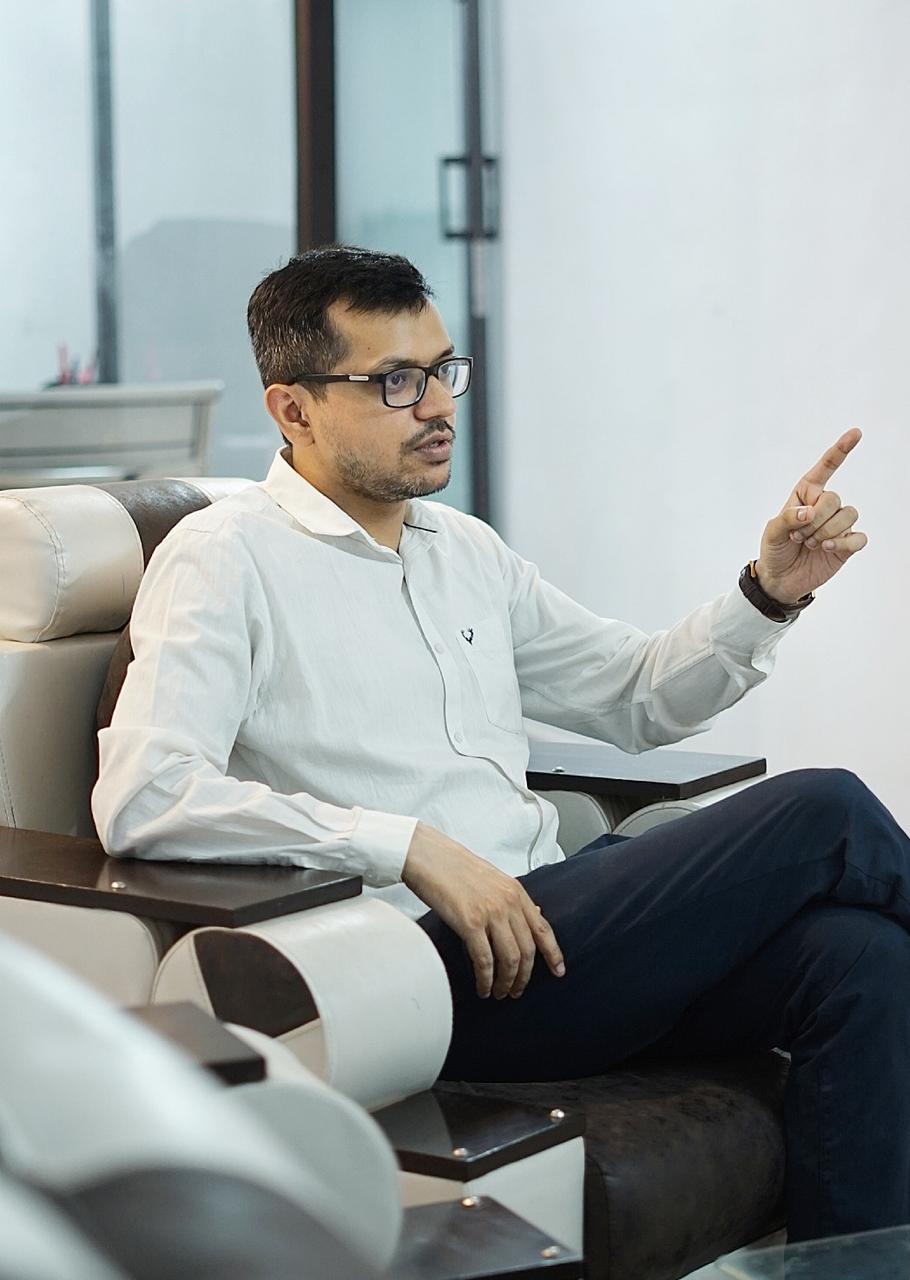
Future IIMer, the IPMAT written exam is just one part of your journey. The final, and often most challenging, hurdle is the IPMAT interview. This includes both the Written Ability Test (WAT) and the Personal Interview (PI). Your performance here determines if you get that coveted seat at IIM Indore or IIM Rohtak.
This guide breaks down the IPMAT interview process, drawing insights from a real interview simulation with an IIM alumnus. We will give you the precise strategies you need to convert your shortlist into an admission offer.
What you'll learn:
- How to approach common WAT topics and structure compelling essays.
- Strategies to tackle typical PI questions, including personal, academic, and situational scenarios.
- The critical role of body language and effective delivery in making a lasting impression.
TL;DR: Ace Your IPMAT Interview
The IPMAT interview is your final hurdle for IIM. It tests your personality, communication, and clarity of thought. Prepare for both Written Ability Test (WAT) topics and Personal Interview (PI) questions. Focus on structuring your answers, showing genuine interest, and maintaining confident body language. Consistent mock interviews are crucial for real-time feedback and improvement.
The ipmat interview: more than just talking
Think of the IPMAT interview as a conversation, not an interrogation. The panel wants to understand who you are beyond your test scores. They look for clarity of thought, communication skills, leadership potential, and genuine interest in the Integrated Program in Management (IPM).
Many aspirants underprepare for this stage, focusing solely on the written exam. This is a big mistake. A strong interview can significantly boost your chances, even if your written scores are borderline.
Mastering the wat: writing your way to iim
The Written Ability Test (WAT) assesses your ability to articulate thoughts concisely and logically. You will be given a topic and a limited time (typically 15-30 minutes) to write an essay. The key is to present a well-structured argument, not just a collection of ideas.
Common WAT topics often revolve around current affairs, socio-economic issues, abstract concepts, or ethical dilemmas. For example, topics could include "The Impact of AI on Employment," "Is Social Media a Boon or Bane?," or "The Future of Education in India." Practice writing on diverse subjects to broaden your perspective.
Structure your WAT response like a mini-essay: an introduction with your thesis, 2-3 body paragraphs supporting your points with examples, and a strong conclusion. Focus on clear language, correct grammar, and logical flow. Avoid jargon or overly complex sentences.
"Your interview is not just about what you say, but how you say it. Every gesture, every pause, and every word contributes to the story you tell about yourself."
, IIM Alumnus
Decoding pi: common questions and smart answers
The Personal Interview (PI) is where the panel gets to know the real you. It is a dynamic exchange, and your answers should be authentic and well-thought-out. Based on real interview simulations, here are common question patterns and how to approach them:
1. tell me about yourself / introduction
This is your chance to make a strong first impression. Do not just recite your resume. Structure your introduction to shows your academic journey, significant extracurricular achievements, and your motivation for IPM. For instance, an aspirant might mention moving cities for better education, participating in student council as a prefect, and developing a specific interest in management.
2. academic background & subject knowledge
Expect questions related to your Class 10 and 12 subjects. If you are a commerce student with Maths, be prepared to justify that choice. The panel might ask about your comfort level with Maths, even if you have focused on other subjects recently. Be honest, but show willingness to learn. Questions like "What is the value of factorial zero?" are common. These check your fundamental understanding and your ability to think under pressure.
3. extracurriculars & hobbies
Beyond academics, the panel wants to see a well-rounded personality. If you have been a prefect or vice house captain, describe your responsibilities and what you learned. Connect your experiences to leadership, teamwork, or problem-solving skills. Do not just list activities; explain their impact on you.
4. why IPM? why IIM?
This is critical. Show genuine research into the IPM program and the specific IIM (Indore or Rohtak) you are applying to. Talk about how the curriculum aligns with your career goals. Avoid generic answers. Explain how an IPM from that particular IIM will help you achieve your aspirations.
5. situational & behavioral questions
These questions assess your problem-solving skills, ethical stance, and how you react under pressure. For example, "Describe a time you failed and what you learned." Use frameworks like STAR (Situation, Task, Action, Result) or PAR (Problem, Action, Result) to structure your answers clearly and effectively. You can find more details on these frameworks in our blog, "Ace Your IPMAT PI: Master STAR, PAR, CAR Interview Frameworks" (/magazine/ace-your-ipmat-pi-master-star-par-car-interview-frameworks-bfc1j).
Here is a quick reference table for common PI question categories:
| Question Category | Example Questions | What Interviewers Look For |
|---|---|---|
| Tell me about yourself | "Introduce yourself." "Walk me through your journey." | Self-awareness, communication, clarity, career aspirations |
| Academics & Subject Knowledge | "Why Commerce with Maths?" "Value of factorial zero?" | Foundational knowledge, interest, honesty, problem-solving |
| Extracurriculars | "What did you do in student council?" "Hobbies?" | Leadership, teamwork, initiative, passion, time management |
| Future Plans & Goals | "Why IPM?" "Where do you see yourself in 5 years?" | Clarity of purpose, research, alignment with IIM program |
| Situational/Ethical | "How would you handle X?" "Your biggest weakness?" | Critical thinking, decision-making, integrity, self-reflection |
Your presence matters: body language and delivery
Your non-verbal cues speak volumes. A confident posture, direct eye contact, and a clear voice can significantly improve your communication. Remember these points for effective delivery:
- Maintain Eye Contact: This shows confidence and engagement. Look at each panel member for a few seconds.
- Confident Posture: Sit up straight, shoulders back. Avoid slouching or fidgeting.
- Clear Articulation: Speak slowly and clearly. Avoid mumbling or rushing your answers. A slight pause before answering can show thoughtfulness.
- Active Listening: Pay close attention to the questions. If unsure, politely ask for clarification. This shows respect and ensures you answer correctly.
Practice mock interviews to refine your body language. Record yourself if possible, and analyze your gestures and expressions. This self-assessment is invaluable.
Building your practice plan: from zero to iim hero
Consistent, structured practice is the only way to ace the IPMAT interview. Do not leave it to the last minute. Here is a plan:
- Self-Reflection: Spend time understanding your own strengths, weaknesses, achievements, and aspirations. Journaling can help structure your thoughts for common questions like "Tell me about yourself" or "Why IPM?"
- Research Thoroughly: Know everything about the IPM program, the IIMs you are targeting, and current affairs. This shows genuine interest and preparedness.
- WAT Practice: Write at least 2-3 essays per week on varied topics. Get feedback on your structure, content, and grammar.
- Mock Interviews: This is crucial. Participate in as many mock interviews as possible with experienced mentors or IIM alumni. IPM Careers offers AI mock interviews with live feedback, which is a game-changer. This simulates the real interview environment and helps you refine your answers and body language.
- Feedback Analysis: After each mock interview, meticulously review the feedback. Identify areas for improvement and work on them before your next session.
Remember, the goal is not to memorise answers, but to develop the ability to think on your feet and communicate effectively. For more structured preparation, consider joining a dedicated IPMAT coaching program. IPM Careers provides comprehensive guidance for IPMAT 2026, including interview preparation.
Next steps for your ipmat journey
The IPMAT interview is your opportunity to shine. By preparing diligently for the WAT, crafting thoughtful PI responses, and mastering your delivery, you will significantly boost your chances of joining a top IIM. Start your preparation early and aim for perfection.
Watch the full discussion with an IIM Alumnus for more insights: How to Crack the IPMAT 2026 Interview? | Real Interview Simulation with IIM Alumnus
Ready to put your learning into action? Take a free full-pattern IPMAT mock test to gauge your preparation and get a real percentile. You can also check your IPM eligibility in just 30 seconds using our free tools at register.ipmcareer.com. For more personalised guidance, connect with an IPM Careers mentor today.
Frequently asked questions (faq)
FAQs
What is the IPMAT interview process like?+
The IPMAT interview typically consists of two main components: a Written Ability Test (WAT) and a Personal Interview (PI). The WAT assesses your writing skills and ability to articulate thoughts on a given topic, while the PI evaluates your personality, communication skills, academic background, extracurriculars, and motivation for joining the IPM program.
How can I prepare for common IPMAT PI questions?+
Prepare by reflecting on your academic journey, extracurricular achievements, and career aspirations. Practice answering questions like "Tell me about yourself," "Why IPM?," and questions related to your subject knowledge (e.g., Maths concepts for commerce students). Use frameworks like STAR or PAR for situational questions. Regularly engage in mock interviews for real-time feedback.
What role does body language play in the IPMAT interview?+
Body language is crucial. Maintaining confident eye contact, having an upright posture, and speaking clearly demonstrate self-assurance and engagement. Avoid fidgeting or mumbling. Effective non-verbal communication complements your verbal responses and leaves a positive impression on the interview panel.